
Latest Real Estate Insights in Myrtle Beach
Market updates, pricing trends, and step-by-step strategies for buyers and sellers who want clarity.
If you’re planning to buy, sell, or just track your home’s value in Myrtle Beach, you’re in the right place. I break down what’s happening right now in the local market, explain what it means for you, and share practical next steps ... so you can make confident decisions without the guesswork.
Browse real estate topics in Myrtle Beach: Buying • Selling • Home Values • Market Updates • Neighborhood Insights
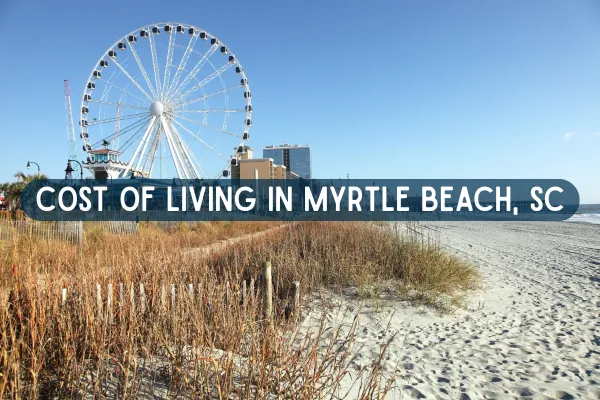
Cost of Living in Myrtle Beach, SC: What It Really Costs to Live Here in 2026
Cost of Living in Myrtle Beach, SC: What It Really Costs to Live Here in 2026
If you’re thinking about moving to Myrtle Beach, SC, one of the first questions you’re probably asking is simple: what does it actually cost to live here?
Over the past several years, Myrtle Beach has become one of the most popular relocation destinations in the Southeast. People from New Jersey, New York, Pennsylvania, Ohio, and other high-cost states are moving to the Grand Strand for a mix of reasons including lower taxes, warmer weather, coastal lifestyle, and more affordable housing.
But like any place, the real cost of living depends on more than just home prices. Taxes, insurance, HOA fees, utilities, and everyday expenses all play a role in determining whether Myrtle Beach fits your budget.
In this guide, we’ll break down the real cost of living in Myrtle Beach in 2026 so you can understand what to expect if you’re planning to relocate to the area.
Is Myrtle Beach Expensive?
Whether Myrtle Beach feels expensive largely depends on where you’re moving from.
For many buyers relocating from the Northeast, the cost of living in Myrtle Beach often feels significantly more affordable. Housing costs, property taxes, and general daily expenses tend to be lower than in states like New Jersey and New York.
However, Myrtle Beach can feel more expensive compared to smaller inland cities in South Carolina. Living near the coast usually brings higher housing prices and insurance costs than inland areas.
Overall, many people relocating here find that their dollar stretches further while still enjoying a coastal lifestyle.
Average Home Prices in Myrtle Beach
Housing is usually the largest cost for anyone moving to a new area, so understanding local home prices is important.
As of 2026, home prices in the Myrtle Beach area have stabilized after several years of rapid growth. While prices vary depending on location, proximity to the ocean, and property type, here is a general overview of what buyers can expect.
any buyers relocating to the area also want to know whether now is a good time to buy in Myrtle Beach, especially as home prices stabilize after several years of rapid growth.
Homes Around $250K – $350K
Smaller single-family homes
Townhomes
Condos
Often slightly inland or older communities
Homes Around $350K – $600K
This is the typical range for many primary residences in the area. Buyers can often find larger homes in communities like Carolina Forest or other suburban neighborhoods.
Homes Above $600K
Golf communities
Near-coastal homes
Waterfront properties
Luxury homes over $1M depending on location
Property Taxes in Myrtle Beach
South Carolina offers relatively low property taxes compared to many states in the Northeast.
Homeowners who make the property their primary residence benefit from a 4% tax assessment ratio, which lowers the taxable value of the home.
Investment properties and second homes are taxed at a higher rate, so it is important to understand the difference if you plan to purchase a vacation property.
Many homeowners relocating from states like New Jersey or New York are surprised at how much their annual property tax bill decreases when they move to Myrtle Beach.
Insurance Costs in Coastal South Carolina
Insurance is an important cost factor that many relocating buyers do not initially consider.
Because Myrtle Beach is a coastal area, homeowners insurance can include additional coverage such as:
Wind and hail protection
Flood insurance (depending on location)
Insurance costs vary depending on:
Elevation
Flood zone designation
Distance from the ocean
Construction type
Understanding these costs early helps buyers plan their relocation budget accurately.
HOA Fees in Myrtle Beach Communities
Many neighborhoods in the Myrtle Beach area operate under homeowners associations.
HOA fees vary widely depending on the type of community and the amenities offered.
Some communities may have modest annual fees, while larger master-planned neighborhoods may include amenities such as:
Pools
Clubhouses
Landscaping services
Security
Condominium buildings typically have higher HOA fees because they include building maintenance and insurance for common areas.
Utilities and Monthly Expenses
Utility costs in Myrtle Beach are generally moderate compared to national averages.
Electricity is often the largest monthly expense, particularly during the summer months when air conditioning is used more frequently.
Water, sewer, and internet services are widely available and typically affordable compared to larger metropolitan areas.
Food, Dining, and Everyday Costs
Everyday living expenses such as groceries, dining, and gas are generally close to national averages.
Residents have access to a wide variety of grocery stores, local markets, and restaurants across the Grand Strand.
Healthcare services are also widely available with hospitals and medical centers throughout the area.
Understanding the pros and cons of living in Myrtle Beach can also help determine whether the area's cost of living matches your lifestyle goals.
What Salary Do You Need to Live Comfortably in Myrtle Beach?
Income needs depend on lifestyle and housing choices.
$60K – $80K Income
Comfortable lifestyle for singles or couples depending on housing choices.
$80K – $120K Income
Typical household range that allows flexibility with housing, dining, and lifestyle expenses.
$150K+ Income
Luxury housing options including waterfront homes and golf communities.
Comparing Myrtle Beach to Northeast Living Costs
One of the biggest advantages for relocating homeowners is the difference in cost compared to many Northeast states.
Housing prices are often lower than major metro areas in New York and New Jersey, and property taxes are significantly lower for primary residences in South Carolina.
While insurance costs may be higher due to coastal exposure, many residents still find the overall cost of living favorable.
Frequently Asked Questions About the Cost of Living in Myrtle Beach
Is Myrtle Beach expensive?
For many people moving from the Northeast, Myrtle Beach is more affordable than the areas they are leaving.
What salary do you need to live in Myrtle Beach?
Many households live comfortably with incomes between $60,000 and $120,000 depending on housing choices.
Are property taxes high in Myrtle Beach?
Property taxes are generally lower than many states, particularly for primary residences.
Is Myrtle Beach cheaper than Florida?
In many cases, housing costs are lower than popular Florida coastal markets.
Is Myrtle Beach a good place to live?
Many residents choose Myrtle Beach for its coastal lifestyle, warm weather, and outdoor recreation opportunities.
Is Myrtle Beach Affordable for You?
Understanding the cost of living is one of the most important steps when deciding whether to relocate.
For many families, retirees, and remote professionals, Myrtle Beach offers a balance of affordability and lifestyle that is difficult to find in other coastal markets.
Before making a move, it helps to evaluate housing options, insurance costs, taxes, and lifestyle priorities so you can make a confident decision.
If you're seriously considering moving to Myrtle Beach SC, understanding housing costs, insurance, and taxes can help you make a confident relocation decision.

Real Estate FAQs in Myrtle Beach
Is now a good time to buy in Myrtle Beach?
The right time to buy depends on your timeline, budget, and long-term plans. I track local inventory, pricing trends, and negotiation leverage weekly so you can make a decision based on real data ... not headlines.
How do I know what my home is worth right now?
Online estimates are a starting point, but they don’t factor in upgrades, condition, or hyper-local demand. A strategic pricing review gives you a realistic range and a plan to maximize your net.
What should I do first if I’m thinking about selling?
Start with a strategy call. We’ll map out timing, prep priorities, pricing strategy, and how to position your home to attract the strongest offers.
Real Estate Advice Tailored to You
Whether you're 30 days out or just starting to explore your options in Myrtle Beach, I’ll help you build a clear plan based on your timeline, goals, and today’s market conditions.
Or
Clear advice. Strong negotiation. No pressure.







Beach Properties Group Keller Williams
Your Coastal Real Estate Experts In Myrtle Beach, SC
Contact Information
Keller Williams Innovate South | (843) 443-9400
© 2026 Beach Properties Group Keller Williams. All Rights Reserved | Privacy Policy | Terms of Service