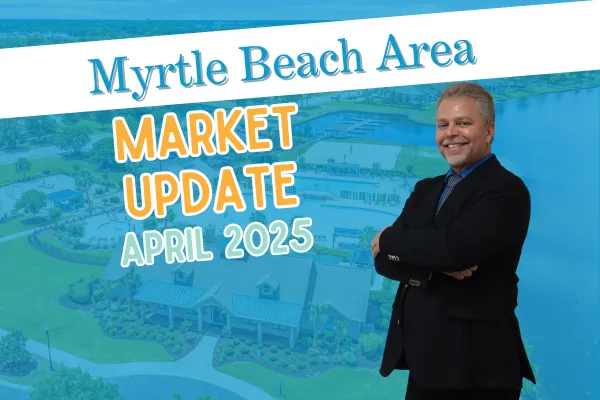
Grand Strand Housing Market Overview
The Myrtle Beach and Grand Strand housing market continues to move through a transition period in 2026. After several years of rapid appreciation and extremely tight inventory, conditions have shifted toward a more balanced environment that gives both buyers and sellers opportunities depending on property type and price range.
According to recent data from the Coastal Carolinas Association of REALTORS® (CCAR), the median home price across the Grand Strand remains elevated compared with pre-pandemic levels, but year-over-year appreciation has moderated into a healthier, more sustainable range. Instead of double-digit growth, the market is seeing modest price stability with selective increases in desirable neighborhoods, newer construction communities, and lifestyle-driven areas such as Murrells Inlet and Carolina Forest.
Days on market have also increased compared with the peak seller-advantage years of 2021 through early 2023. Homes are still selling, but buyers now have more time to evaluate options and negotiate terms. Inventory has gradually expanded as more homeowners choose to list and builders continue delivering new homes across Horry and Georgetown counties.
Overall, the Grand Strand market today reflects a transition from an ultra-competitive seller’s market toward a balanced market shaped by mortgage rates, migration trends, and seasonal demand patterns.
Buyer Demand Trends in the Myrtle Beach Area
Buyer demand across the Myrtle Beach region remains strong, especially compared with many inland markets nationwide. Showing activity has moderated slightly from peak pandemic levels but continues to outperform expectations for a coastal secondary-home destination.
Data from ShowingTime and Realtor.com indicates that buyer engagement remains steady, particularly in lifestyle-driven segments such as:
retirement relocations
second homes near the coast
golf community properties
new construction neighborhoods
Pending sales activity has shown seasonal fluctuations but continues to reflect sustained interest from both local and out-of-state buyers.
Migration patterns remain one of the biggest drivers of demand. According to Redfin migration reports and U.S. Census Bureau population movement data, the Grand Strand continues attracting buyers from:
New York
New Jersey
Pennsylvania
Ohio
North Carolina
Virginia
Many of these buyers are relocating for lower taxes, lower housing costs compared with the Northeast, and access to coastal lifestyle amenities year-round.
Inventory and Supply Conditions
Housing inventory across Myrtle Beach and the broader Grand Strand has increased compared with recent years, giving buyers more options than they have had since before the pandemic housing surge.
CCAR market updates show rising active listings across both single-family homes and condominiums. New listings have also improved as homeowners who delayed selling during high interest rate uncertainty are returning to the market.
Months of supply has moved closer to balanced territory. While exact numbers vary by property type and price segment, many areas now fall within the range typically considered healthy for both buyers and sellers.
New construction continues to play a major role in inventory growth. According to the National Association of Home Builders (NAHB) and U.S. Census Bureau housing starts data, the Myrtle Beach metropolitan area remains one of the fastest-growing housing development regions in the Southeast. Builders are offering incentives such as:
closing cost assistance
interest rate buydowns
design upgrades
flexible timelines
These incentives are helping maintain transaction activity even as borrowing costs remain elevated compared with pandemic-era lows.
Condo vs. Single-Family Market Differences
One of the most important distinctions in today’s Grand Strand housing market is the difference between condominium inventory and single-family home supply.
Condominiums currently have higher inventory levels than detached homes across many coastal submarkets. This shift is creating stronger negotiating power for buyers interested in:
oceanfront units
second homes
short-term rental properties
low-maintenance retirement housing
Single-family homes, particularly in established residential communities and newer master-planned neighborhoods, continue to see steadier demand and tighter supply conditions.
Pricing trends reflect this difference. Detached homes have maintained stronger price stability, while condominium pricing varies more widely depending on:
building condition
HOA fees
rental performance potential
insurance costs
proximity to the ocean
Buyers evaluating condos today often benefit from expanded selection and improved leverage during negotiations compared with recent years.
Vacation Home and Short-Term Rental Market Trends
Vacation home ownership remains one of the defining features of the Myrtle Beach housing market. Tourism continues to drive housing demand along the Grand Strand corridor from Little River through Pawleys Island.
According to AirDNA short-term rental analytics, Myrtle Beach remains one of the most active vacation rental markets on the East Coast. Seasonal occupancy patterns remain strong, especially during spring and summer travel months, while shoulder seasons continue improving as remote work flexibility allows extended stays.
Investor activity has shifted slightly compared with the peak STR acquisition period between 2020 and 2022. Today’s investors are more selective and focused on:
rental yield projections
HOA policies
insurance costs
property management efficiency
long-term appreciation potential
Rather than speculative purchases, most current investor demand reflects strategic long-term portfolio planning.
Second-home buyers continue to represent a large portion of coastal transactions. Many households are purchasing properties that serve both lifestyle purposes and occasional rental income opportunities.
Mortgage Rate Impact on Local Buyers
Mortgage interest rates remain one of the most influential factors shaping the Myrtle Beach housing market.
Freddie Mac’s Primary Mortgage Market Survey shows that 30-year fixed mortgage rates have stabilized compared with recent volatility but remain higher than the historic lows seen during the pandemic years. As a result, affordability calculations have changed for many buyers.
Local purchasing behavior reflects several adaptations:
Some buyers are increasing down payments
Others are targeting new construction incentives
Many are adjusting price ranges slightly downward
Some are waiting for future refinancing opportunities
Despite higher borrowing costs, the Grand Strand continues attracting relocation buyers who often arrive with equity from higher-priced housing markets in the Northeast and Midwest. These buyers are less sensitive to interest rate fluctuations and continue supporting transaction activity.
Migration Trends Affecting the Grand Strand
Population migration remains one of the strongest long-term drivers of housing demand across Myrtle Beach and surrounding coastal communities.
U.S. Census Bureau migration estimates and Realtor.com relocation data consistently show continued inbound movement from higher-cost metropolitan regions into coastal South Carolina.
Common motivations include:
lower property taxes
milder climate
coastal lifestyle access
retirement flexibility
remote work opportunities
lower overall cost of living
In addition to out-of-state buyers, intrastate migration from Charleston, Columbia, and inland South Carolina markets continues contributing to demand growth.
These trends support long-term housing stability even when national housing conditions shift.
6–12 Month Myrtle Beach Market Forecast
Looking ahead, most projections suggest the Grand Strand housing market will remain stable through the next 6 to 12 months, with moderate activity across multiple price segments.
National Association of REALTORS® forecasts indicate steady existing home sales recovery as mortgage rates gradually normalize. Realtor.com housing outlook models also suggest inventory improvements will continue nationally, which supports balanced market conditions locally.
For Myrtle Beach specifically, several factors are expected to influence the near-term outlook:
continued inbound migration
steady retirement relocation demand
ongoing new construction development
seasonal tourism-driven housing interest
gradual mortgage rate stabilization
Rather than rapid price spikes, the most likely scenario is steady appreciation in desirable neighborhoods combined with selective pricing adjustments in oversupplied segments such as older condominium inventory.
What This Means for Buyers and Sellers Right Now
For buyers, today’s Grand Strand housing market offers more choices and better negotiating opportunities than at any time in the past several years. Increased inventory, builder incentives, and longer days on market create room to evaluate options carefully and structure favorable terms.
For sellers, properly priced homes in strong locations continue attracting qualified buyers. Strategic marketing, professional presentation, and realistic pricing expectations remain essential for maximizing results in a more balanced environment.
Second-home buyers and retirees continue to benefit from long-term lifestyle value that makes Myrtle Beach one of the Southeast’s most attractive coastal destinations.
Investors still find opportunities, particularly in well-located short-term rental properties with strong occupancy history and manageable operating costs.
Overall, the Myrtle Beach and Grand Strand housing market remains active, resilient, and supported by one of the most consistent migration pipelines in the country. For anyone considering buying or selling in the near future, understanding these trends can help position decisions for success in today’s evolving coastal real estate environment.
About Brian Staub
Brian Staub is a real estate advisor with Beach Properties Group | Keller Williams, helping buyers, sellers, retirees, and second-home investors navigate the Myrtle Beach and Grand Strand housing market with clarity and confidence. With more than 20 years of combined team market experience, Brian provides data-driven guidance tailored to coastal property decisions.
Brian Staub
Beach Properties Group Keller Williams
601 21st Ave N, Myrtle Beach, SC 29577
(843) 385-6630
[email protected]
https://beachpropertiesgroup.com/
If you’re planning a move in the next 6–12 months or simply want a personalized market update for your neighborhood, reach out anytime. https://booking.beachpropertiesgroup.com/schedule
